
Chop saw and miter saw blades carry a negative or low hook angle for one reason: control. On a chop or miter saw the blade comes down into the work, and a high-hook woodworking blade wants to grab and self-feed into the stock. Every blade in this collection is industrial-grade carbide-tipped and ground with a negative hook angle that keeps the blade from grabbing, so you get clean, precise, splinter-free crosscuts in softwood, hardwood, plywood, wood composites, and single-sided laminate. They're built to resist chipping and cracking under repeated high-impact cuts, which is exactly what framing, trim, and production crosscutting demand.
Running a large industrial radial arm or overhead saw? You want a full-kerf blade.
The blades here include thin-kerf options sized for portable and benchtop power-tool miter and chop saws. If you're cutting on a heavy industrial radial arm, overhead, or component saw (14" and up), a rigid full-kerf blade runs truer under load. See our radial arm saw blades for full-kerf industrial options.
Thin kerf vs. full kerf
Match the blade to the saw. Thin-kerf blades run a lighter, thinner plate that removes less material per cut, so a smaller-motor portable miter or chop saw (DeWalt, Makita, Bosch, and similar) cuts faster with less strain. Full-kerf blades use a thicker, more rigid plate that resists deflection and vibration on heavy industrial machines and large diameters. Using a thin-kerf blade lets a portable saw punch above its weight; using a full-kerf blade keeps a big machine cutting dead straight.
What's stocked
We carry chop and miter saw blades in the common 10" and 12" sizes plus larger industrial diameters, in 60 to 100 teeth, with 5/8" and 1" arbor bores. Grinds include alternating top bevel (ATB) for clean general-purpose crosscuts and triple-chip (TCG) for harder and more abrasive materials. Blades are offered in a premium German-made line (LORNA Industrial) and a value line (Popular Tools), so you can match the blade to the job and the budget.
How to choose a chop or miter saw blade
Negative hook angle. A negative hook is what makes a blade safe and accurate on a chop or miter saw. It prevents the blade from grabbing and climbing the workpiece on the down-stroke, giving you a controlled, clean cut and protecting your work. If a blade grabs or self-feeds on your saw, you want more negative hook, not less.
ATB vs. TCG grind. Alternating top bevel (ATB) is the most common geometry and the all-around choice for clean crosscuts in softwood, hardwood, plywood, veneers, and single-sided laminate. Triple-chip grind (TCG) wears far slower on abrasive and harder materials, double-sided laminate, and melamine, holding a clean edge longer over long production runs.
Tooth count. More teeth give a finer, smoother finish for trim and finish crosscuts; fewer teeth clear chips faster for framing and rougher lumber.
Diameter and bore. Match the blade diameter and arbor bore to your saw. We stock both 5/8" and 1" bores, and any blade can be modified to fit a different bore if your machine needs it.
Why run a chop or radial arm blade on your miter saw?
It's a smart move. The negative hook angle these blades are ground with prevents the blade from grabbing the material mid-cut, which saves you the time and rework of a botched cut. The same blades excel at framing and fast crosscutting in plywood, wood composites, and natural softwood and hardwood. For cutting aluminum or other non-ferrous metals, use our aluminum and non-ferrous saw blades instead.
Made to fit your machine
These are aftermarket blades made to fit a wide range of chop, miter, and sliding compound miter saws. If you need a different bore or a custom pin pattern, any blade can be modified to fit your machine. Carbide-tipped teeth resharpen many times over, keeping your cost-per-cut low across the life of the blade. Brand names are the property of their respective owners.
-
LORNA Industrial
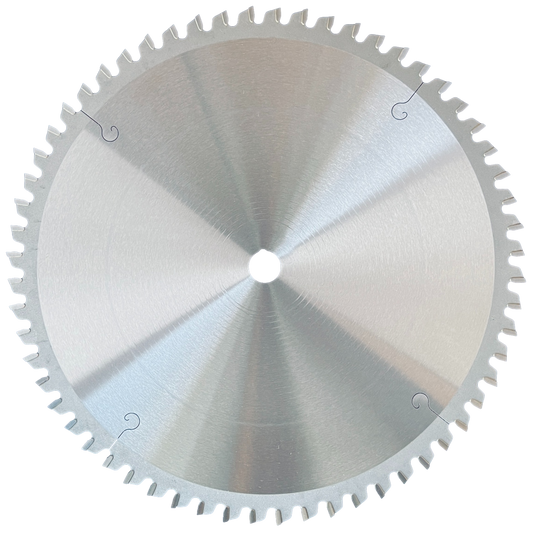 ITEM # RCA010060058126
10" D x 60T ATB x 5/8" Bore Chop/Miter Saw Blade
SaleITEM # RCA01006005812610" D x 60T ATB x 5/8" Bore Chop/Miter Saw Blade
⌀ 10 inch60 TeethMouldingRegular price $80.00Regular price$105.00Sale price $80.00Sale -
LORNA Industrial
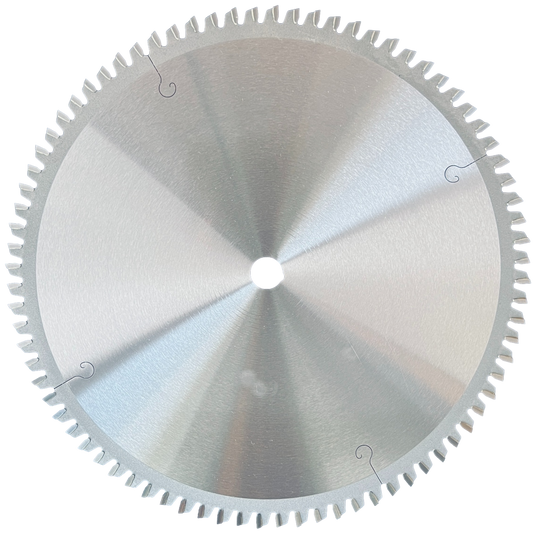 ITEM # RCA010080058102
10" D x 80T ATB x 5/8" Bore Chop/Miter Saw Blade
SaleITEM # RCA01008005810210" D x 80T ATB x 5/8" Bore Chop/Miter Saw Blade
⌀ 10 inch80 TeethMouldingRegular price $85.00Regular price$115.00Sale price $85.00Sale -
LORNA Industrial
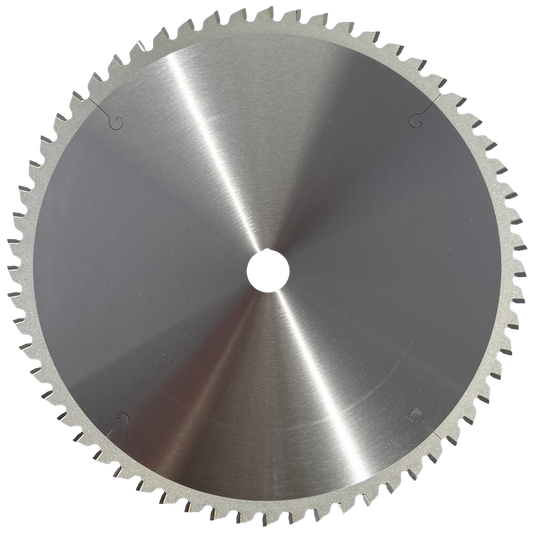 ITEM # RCA012060100110
12" D x 60T ATB x 1" Bore Chop/Miter Saw Blade
SaleITEM # RCA01206010011012" D x 60T ATB x 1" Bore Chop/Miter Saw Blade
⌀ 12 inch60 TeethMouldingRegular price $96.00Regular price$125.00Sale price $96.00Sale -
LORNA Industrial
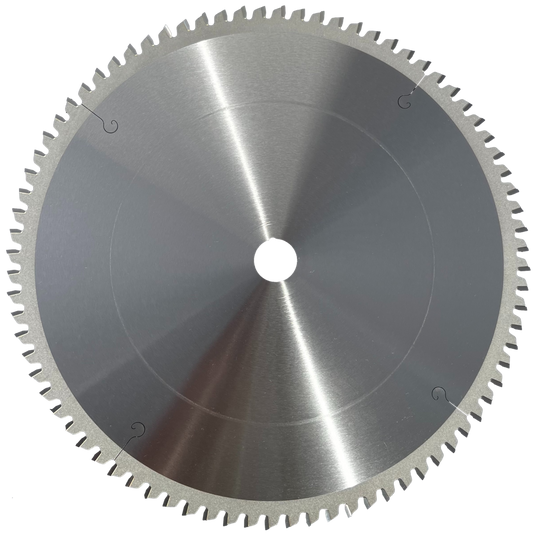 ITEM # RCA012080100110
12" D x 80T ATB x 1" Bore Chop/Miter Saw Blade
SaleITEM # RCA01208010011012" D x 80T ATB x 1" Bore Chop/Miter Saw Blade
⌀ 12 inch80 TeethMouldingRegular price $125.00Regular price$150.00Sale price $125.00Sale -
Popular Tools
 SaleITEM # RATH106080
10 inch D x 60 Teeth x ATB x 5/8 inch Bore Chop/Miter Saw Blade (RATH106080)
⌀ 10 inch60 TeethHardwoodRegular price $129.15Regular price$143.50Sale price $129.15Sale -
Popular Tools
SaleITEM # RATH1280A
12 inch D x 80 Teeth x ATB x 1 inch Bore Chop/Miter Saw Blade (RATH1280A)
⌀ 12 inch80 TeethHardwoodRegular price $126.90Regular price$141.00Sale price $126.90Sale -
Popular Tools
SaleITEM # RATH1280T
12 inch D x 80 Teeth x TCG x 1 inch Bore Chop/Miter Saw Blade (RATH1280T)
⌀ 12 inch80 TeethMelamineRegular price $132.30Regular price$147.00Sale price $132.30Sale
