
Eighteen-inch carbide-tipped circular saw blades are built for the heavy machines in your shop — large sliding table saws, gang and straight-line rip saws, radial arm saws, beam and panel saws, double-end trim saws, and pallet recycling lines. At this diameter the right blade is rarely a one-size-fits-all combination disc; it’s matched to the material and the cut. We stock a full 18″ lineup across both of our brands so you can spec by application, tooth count, grind, kerf, and bore.
Our hero line is LORNA Industrial, our German-engineered premium blade for shops that want the longest run time between resharpens and the cleanest possible finish. Alongside it we offer Popular Tools, our Taiwan-built value line, with deep 18″ coverage in nearly every grind and tooth count. Lead with LORNA where finish and blade life pay you back; reach for Popular Tools when you want a proven workhorse at a sharper price.
Cutting aluminum and non-ferrous metal
For aluminum, brass, bronze, copper, and ACM/composite panel, you want a triple-chip grind (TCG) running on a negative hook. The negative hook keeps the blade from grabbing or climbing in soft metal, and the TCG tooth clears the chip without smearing. Our 18″ non-ferrous blades run from 40 teeth for fast extrusion cut-off up to 120 teeth for a near-polished edge on thin-wall tube and trim, with both standard 1″ bore and 1-1/2″ bore options for larger arbors. These same TCG blades are an excellent choice for thicker plastics, since the geometry is identical.
Cutting pallets, recycled lumber, nails, and staples
Demolition and pallet recycling is brutal on a blade — embedded nails, staples, grit, and the occasional screw will chip a standard tooth instantly. The answer is a tough, impact-resistant carbide on a nail-rated grind. Our 18″ pallet blade uses a UNI-TCG tooth with a heavier plate and impact-grade carbide that absorbs fastener hits and keeps cutting where a fine-finish blade would fail. Fewer teeth and a robust gullet clear the rough, dirty material fast.
Crosscutting clean lumber and general-purpose work
For clean hardwood and softwood — trim, furniture stock, dimensional lumber — an alternate top bevel (ATB) tooth gives you crisp, splinter-free crosscuts. We carry 18″ ATB blades from 40-tooth combination grinds that both rip and crosscut, up to 120- and 140-tooth crosscut blades for the smoothest finish on quality stock. If you cut a mix of solid wood and man-made panel, a 60- to 80-tooth combination blade is the versatile middle ground.
Straight-line and glue-line ripping
Rip-first work calls for a flat-top grind (FTG). The flat raker tooth powers through solid wood with the grain and leaves a square, glue-ready edge straight off the saw. Our 18″ rip lineup includes flat-top straight-line rip blades, glue-joint rip blades for ripping stock that goes directly to the clamp, and gang-rip configurations with the larger bores and 9/16″ pinholes that machines like the Diehl straight-line rip require. Lower tooth counts and deep gullets feed fast and run cool on long rips.
Radial arm saws
Radial arm saws need a blade with a negative hook angle. Pulling the blade through the cut, a positive-hook blade tends to self-feed and climb — a safety and finish problem. Our 18″ radial arm blades use a negative-hook ATB grind that holds the saw steady through the stroke and leaves a clean crosscut. They’re available in 60- and 80-tooth versions to match how fine a finish you need.
Plastic, acrylic, melamine, and laminate
For acrylic, polycarbonate, PVC, and other plastics, a TCG or a triple-chip variant prevents melting and chipping; thin acrylic and vinyl sheet under 3/8″ cut cleanest on a low-angle LR (left-right) grind that shears rather than scrapes. For double-sided melamine and laminate panel, a high-alternate-top-bevel (Hi-ATB) tooth scores both faces chip-free. We carry 18″ blades in each of these grinds for shops running specialty material.
Not sure which 18″ blade fits your machine? Browse by application or by the cut you need:
Aluminum & non-ferrous blades • Rip saw blades • Gang & straight-line rip • Crosscut, miter & radial arm • Plastic-cutting blades • View all carbide blades
Still stuck? Call us at (855) 628-7297 and we’ll match a blade to your saw and your material.
How to spec an 18-inch blade
An 18″ blade is identified by four hard specs working together: diameter (18″), bore (most run a 1″ arbor; some non-ferrous and panel machines use 1-1/2″ or larger with pinholes), tooth count and grind (driven by material and finish), and kerf and plate (heavier kerf for impact and big rips, thinner kerf to save material and motor load). Pin pattern matters on panel, beam, and gang-rip machines — if your saw uses drive pins, match the pattern exactly. If you’re unsure of any of these, send us your saw make and model and we’ll confirm the fit.
All of our aftermarket blades are made to fit the machines named on this site. Brand and machine names are referenced for fitment and identification only; they are the property of their respective owners, and we are not affiliated with or endorsed by them.
-
LORNA Industrial
 ITEM # NLU018036100185
18" D x 36T x 1" Bore Nail Cutting Saw Blade
SaleITEM # NLU01803610018518" D x 36T x 1" Bore Nail Cutting Saw Blade
⌀ 18 inch36 TeethRegular price $147.00Regular price$198.00Sale price $147.00Sale -
LORNA Industrial
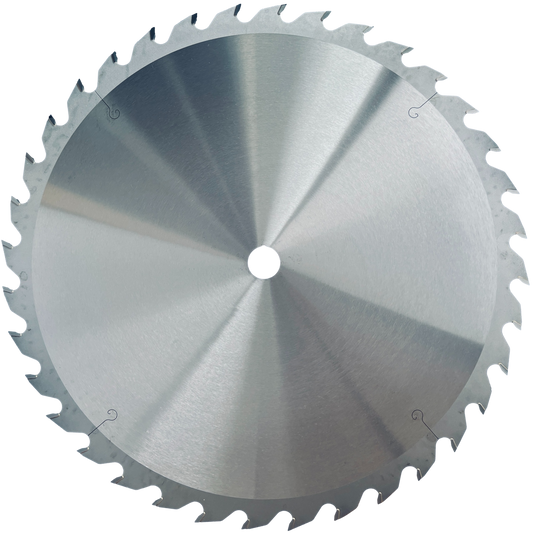 ITEM # RGL018040100184
18" D x 40T TCG x 1" Bore Glue Line Rip Saw Blade
SaleITEM # RGL01804010018418" D x 40T TCG x 1" Bore Glue Line Rip Saw Blade
⌀ 18 inch40 TeethHardwoodRegular price $210.00Regular price$290.00Sale price $210.00Sale -
LORNA Industrial
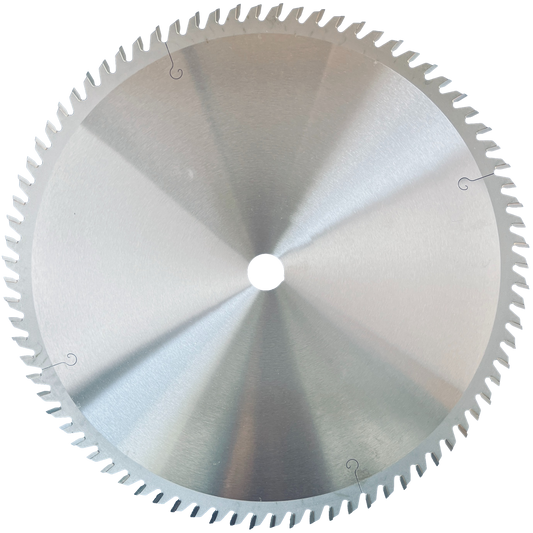 ITEM # SCA018060100180
18" D x 60T ATB x 1" Bore Crosscut Saw Blade
SaleITEM # SCA01806010018018" D x 60T ATB x 1" Bore Crosscut Saw Blade
⌀ 18 inch60 TeethHardwoodRegular price $260.00Regular price$320.00Sale price $260.00Sale -
LORNA Industrial
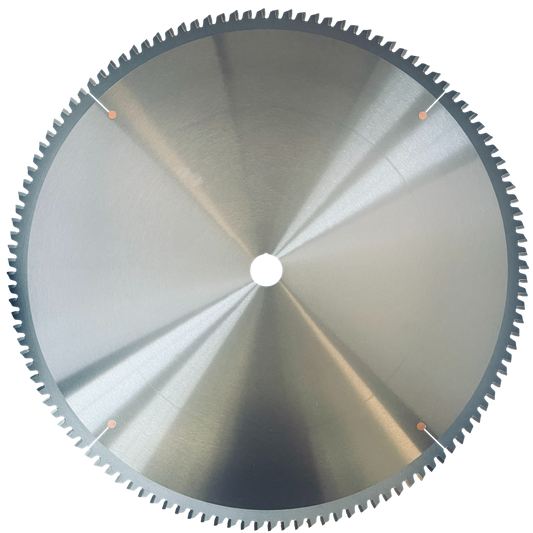 ITEM # NFM018100100165
18" D x 100T TCG x 1" Bore Aluminum Saw Blade
SaleITEM # NFM01810010016518" D x 100T TCG x 1" Bore Aluminum Saw Blade
⌀ 18 inch100 TeethAluminum / Non-FerrousRegular price $320.00Regular price$400.00Sale price $320.00Sale -
LORNA Industrial
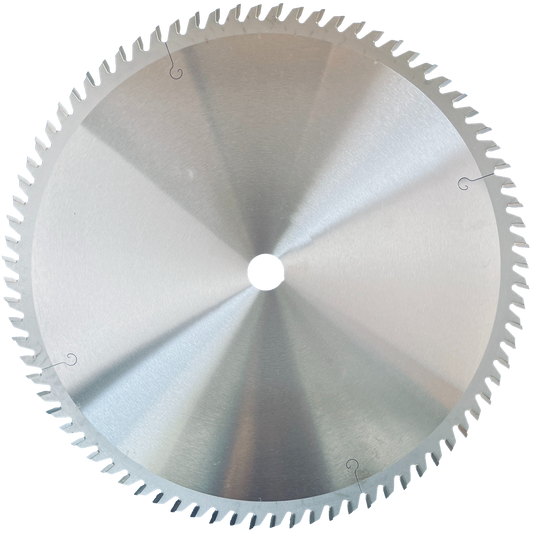 ITEM # SCA018100100180
18" D x 100T ATB x 1" Bore Crosscut Saw Blade
SaleITEM # SCA01810010018018" D x 100T ATB x 1" Bore Crosscut Saw Blade
⌀ 18 inch100 TeethHardwoodRegular price $320.00Regular price$440.00Sale price $320.00Sale -
LORNA Industrial
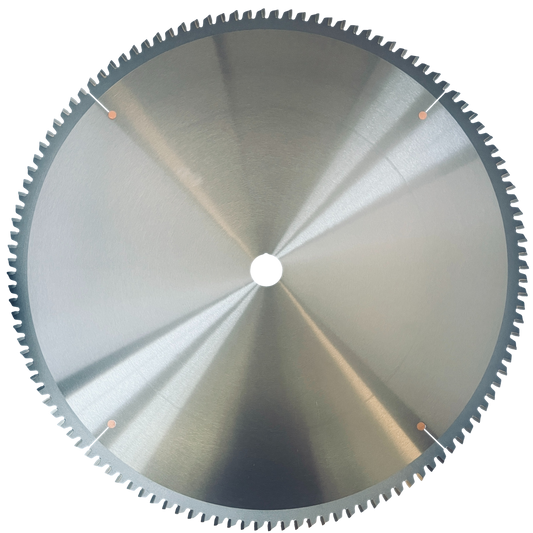 ITEM # NFM018120100165
18" D x 120T TCG x 1" Bore Aluminum Saw Blade
SaleITEM # NFM01812010016518" D x 120T TCG x 1" Bore Aluminum Saw Blade
⌀ 18 inch120 TeethAluminum / Non-FerrousRegular price $340.00Regular price$420.00Sale price $340.00Sale -
Popular Tools
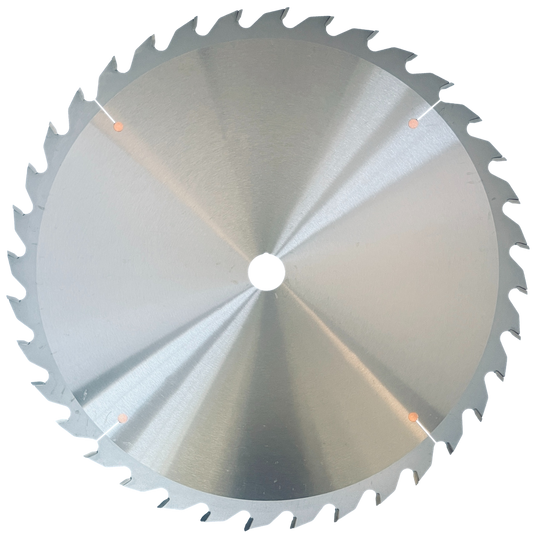 ITEM # RF1840-PT
18 inch D x 40 Teeth x FTG x 1 inch Bore Rip Saw Blade (RF1840-PT)
SaleITEM # RF1840-PT18 inch D x 40 Teeth x FTG x 1 inch Bore Rip Saw Blade (RF1840-PT)
⌀ 18 inch40 TeethHardwoodRegular price $250.00Regular price$270.00Sale price $250.00Sale -
Popular ToolsITEM # RF1840
18 inch D x 40 Teeth x FTG x 1 inch Bore Rip Saw Blade (RF1840)
⌀ 18 inch40 TeethHardwoodRegular price $273.15Regular price -
Popular ToolsITEM # GA1840
18 inch D x 40 Teeth x ATB x 1 inch Bore General Purpose Saw Blade (GA1840)
⌀ 18 inch40 TeethHardwoodRegular price $280.50Regular price -
LORNA Industrial
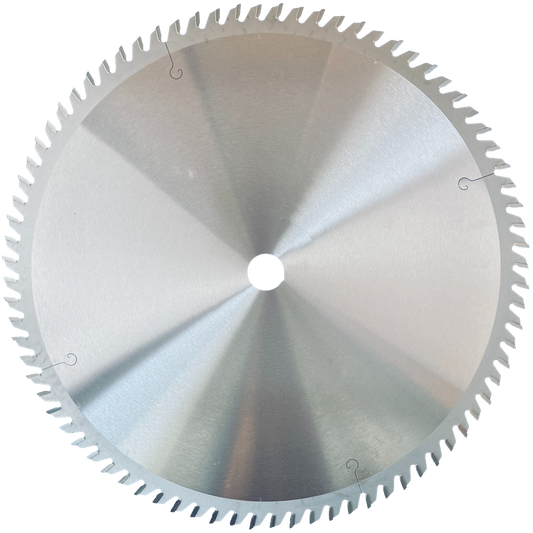 ITEM # SCA018080100180
18" D x 80T ATB x 1" Bore Crosscut Saw Blade
SaleITEM # SCA01808010018018" D x 80T ATB x 1" Bore Crosscut Saw Blade
⌀ 18 inch80 TeethHardwoodRegular price $295.00Regular price$340.00Sale price $295.00Sale -
Popular Tools
 SaleITEM # RA1860
18 inch D x 60 Teeth x ATB x 1 inch Bore Radial Arm Saw Blade (RA1860)
⌀ 18 inch60 TeethHardwoodRegular price $296.32Regular price$329.25Sale price $296.32Sale -
Popular Tools
ITEM # GJ1848
18 inch D x 48 Teeth x TCG x 2 inch Bore Glue Line Rip Saw Blade – Fits Diehl (GJ1848)
⌀ 18 inch48 TeethHardwoodRegular price $296.33Regular price -
Popular ToolsITEM # GA1860
18 inch D x 60 Teeth x ATB x 1 inch Bore General Purpose Saw Blade (GA1860)
⌀ 18 inch60 TeethHardwoodRegular price $310.50Regular price -
Popular ToolsITEM # GT1840
18 inch D x 40 Teeth x TCG x 1 inch Bore General Purpose Saw Blade (GT1840)
⌀ 18 inch40 TeethHardwoodRegular price $314.25Regular price -
Popular Tools
SaleITEM # RA1880
18 inch D x 80 Teeth x ATB x 1 inch Bore Radial Arm Saw Blade (RA1880)
⌀ 18 inch80 TeethHardwoodRegular price $330.98Regular price$367.75Sale price $330.98Sale -
Popular ToolsITEM # GA1880
18 inch D x 80 Teeth x ATB x 1 inch Bore General Purpose Saw Blade (GA1880)
⌀ 18 inch80 TeethHardwoodRegular price $341.25Regular price -
Popular ToolsITEM # GT1860
18 inch D x 60 Teeth x TCG x 1 inch Bore General Purpose Saw Blade (GT1860)
⌀ 18 inch60 TeethHardwoodRegular price $343.75Regular price -
Popular ToolsITEM # NF1840
18 inch D x 40 Teeth x TCG x 1 inch Bore Aluminum / Non-Ferrous Saw Blade (NF1840)
⌀ 18 inch40 TeethAluminum / Non-FerrousRegular price $355.75Regular price -
Popular ToolsITEM # GT1880
18 inch D x 80 Teeth x TCG x 1 inch Bore General Purpose Saw Blade (GT1880)
⌀ 18 inch80 TeethHardwoodRegular price $374.00Regular price -
LORNA Industrial
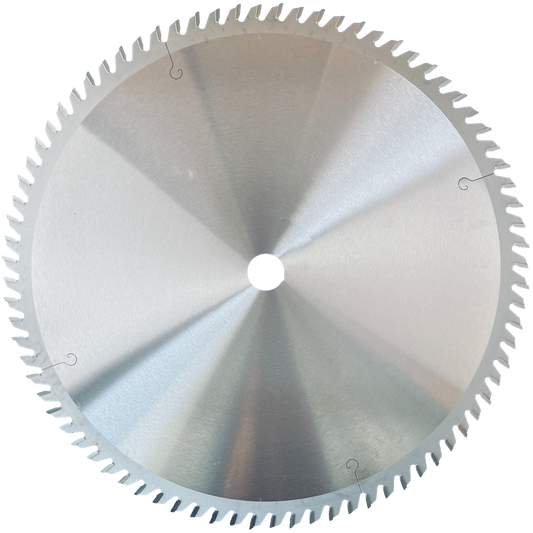 ITEM # SCA018120100180
18" D x 120T ATB x 1" Bore Crosscut Saw Blade
SaleITEM # SCA01812010018018" D x 120T ATB x 1" Bore Crosscut Saw Blade
⌀ 18 inch120 TeethHardwoodRegular price $375.00Regular price$450.00Sale price $375.00Sale -
Popular ToolsITEM # GA1810
18 inch D x 100 Teeth x ATB x 1 inch Bore General Purpose Saw Blade (GA1810)
⌀ 18 inch100 TeethHardwoodRegular price $386.00Regular price -
Popular ToolsITEM # NF1860
18 inch D x 60 Teeth x TCG x 1 inch Bore Aluminum / Non-Ferrous Saw Blade (NF1860)
⌀ 18 inch60 TeethAluminum / Non-FerrousRegular price $391.00Regular price -
Popular ToolsITEM # NF1872MS
18 inch D x 72 Teeth x TCG Aluminum / Non-Ferrous Saw Blade (NF1872MS)
⌀ 18 inch72 TeethAluminum / Non-FerrousRegular price $407.25Regular price -
Popular ToolsITEM # GTM1810
18 inch D x 100 Teeth x TCG x 1 inch Bore General Purpose Saw Blade (GTM1810)
⌀ 18 inch100 TeethHardwoodRegular price $420.00Regular price -
Popular ToolsITEM # NF1880
18 inch D x 80 Teeth x TCG x 1 inch Bore Aluminum / Non-Ferrous Saw Blade (NF1880)
⌀ 18 inch80 TeethAluminum / Non-FerrousRegular price $421.25Regular price -
Popular ToolsITEM # GT1810
18 inch D x 100 Teeth x TCG x 1 inch Bore General Purpose Saw Blade (GT1810)
⌀ 18 inch100 TeethHardwoodRegular price $422.50Regular price -
Popular ToolsITEM # GT1812
18 inch D x 120 Teeth x TCG x 1 inch Bore General Purpose Saw Blade (GT1812)
⌀ 18 inch120 TeethHardwoodRegular price $429.00Regular price -
Popular ToolsITEM # GA1812
18 inch D x 120 Teeth x ATB x 1 inch Bore General Purpose Saw Blade (GA1812)
⌀ 18 inch120 TeethHardwoodRegular price $432.50Regular price -
Popular ToolsITEM # GTM1812
18 inch D x 120 Teeth x TCG x 1 inch Bore General Purpose Saw Blade (GTM1812)
⌀ 18 inch120 TeethHardwoodRegular price $435.50Regular price -
Popular Tools
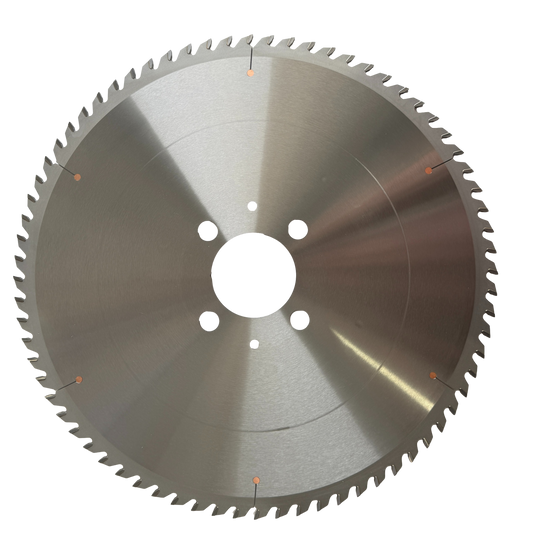 ITEM # TR1860A
18 inch D x 60 Teeth x ATB x 1 inch Bore Truss & Component Saw Blade – Fits Clary (TR1860A)
⌀ 18 inch60 TeethTrussRegular price $438.75Regular price -
Popular Tools
ITEM # TR1860TN
18 inch D x 60 Teeth x TCG x 1 inch Bore Truss & Component Saw Blade – Fits Clary (TR1860TN)
⌀ 18 inch60 TeethTrussRegular price $438.75Regular price -
Popular Tools
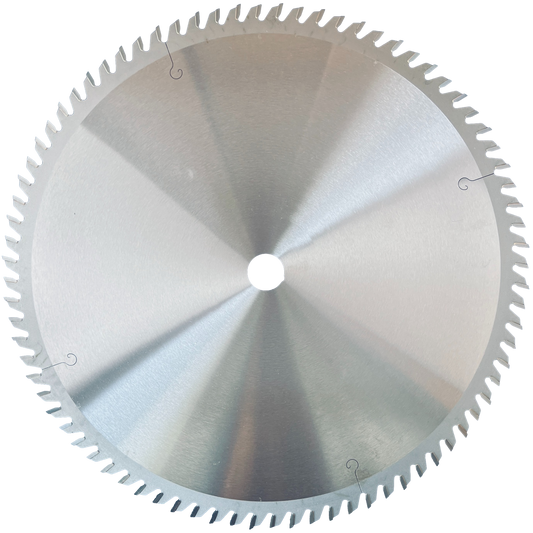 SaleITEM # GA1814-PT
18 inch D x 140 Teeth x ATB x 1 inch Bore Crosscut Saw Blade (GA1814-PT)
⌀ 18 inch140 TeethHardwoodRegular price $445.00Regular price$485.00Sale price $445.00Sale -
Popular ToolsITEM # GA1814
18 inch D x 140 Teeth x ATB x 1 inch Bore General Purpose Saw Blade (GA1814)
⌀ 18 inch140 TeethHardwoodRegular price $496.75Regular price


