
Non-ferrous
Aluminum & non-ferrous saw blades
Carbide-tipped blades for cutting aluminum, brass, copper, and other non-ferrous metals — extrusion, tube, profile, and solid stock. Match the tooth pitch to your wall thickness, then filter the full range below.
Tooth count calculator
How many teeth do you need?
The right tooth count comes down to two things: your blade's diameter and how thick the metal is. Thin walls need lots of fine teeth so several are always engaged in the cut; thick or solid stock needs fewer, coarser teeth so the chips have room to clear. Pick both below and we'll calculate the count — then list every matching LORNA and Popular Tools blade with its SKU and bore.
| Section | Pitch (in) | Metric | ≈ Fraction | Teeth / in |
|---|---|---|---|---|
| Thin-wall tube, up to 1/16″ | 0.314″ | 8.0 mm | ~5/16″ | ~3.2 |
| Light wall, up to 1/8″ | 0.393″ | 10.0 mm | ~13/32″ | ~2.5 |
| Standard extrusion / wall | 0.523″ | 13.3 mm | ~17/32″ | ~1.9 |
| Mechanical-clamp machines | 0.451″ | 11.4 mm | ~7/16″ | ~2.2 |
Cutting aluminum and other non-ferrous metals comes down to one thing above all: matching the tooth pitch to the thickness you're cutting. Too few teeth in a thin extrusion and the blade grabs and chatters; too many in a solid bar and the chips weld in the gullets and cook the edge. Get the pitch right — plus a triple-chip grind, a negative hook, and a little lubrication — and non-ferrous cuts clean, square, and burr-free. The chart below takes you straight from blade size and wall thickness to the right tooth count.
Pitch chart: tooth count by wall thickness
| Blade | ≤ 1/16″ wall (0.314″ pitch) |
≤ 1/4″ wall (0.3925″ pitch) |
≤ 1/2″ / solid (0.523″ pitch) |
|---|---|---|---|
| 8″ | 80T | 64T | 48T |
| 10″ | 100T | 80T | 60T |
| 12″ | 120T | 96T | 72T |
| 14″ | 140T | 112T | 84T |
| 16″ | 160T | 128T | 96T |
| Blade | 3/16–1/4″ (0.4507″ pitch) |
3/16–1/2″ (0.523″ pitch) |
|---|---|---|
| 300mm | 82T | 72T |
| 350mm | 96T | 84T |
| 400mm | 110T | 96T |
| 450mm | 124T | 108T |
| 500mm | 138T | 120T |
| 550mm | 152T | 132T |
| 600mm | 166T | 142T |
Counts are rounded to the nearest standard tooth count. When in doubt, size up a notch for a finer finish on thin wall, down a notch for chip clearance on thick solids.
How pitch works: the 3-teeth rule
The goal is to keep at least three teeth engaged in the material through the cut, but no more than the gullets can clear. A thin-wall extrusion is mostly air, so you need a lot of teeth packed close to keep three in that thin wall at once — that's a fine pitch. Run that same fine-pitch blade through a solid bar and dozens of teeth bury at once; the gullets pack, the chips weld to the carbide, heat builds, and the edge dulls fast. Solids want a coarse pitch so each tooth takes a real bite and clears. That single trade-off — section thickness vs. pitch — is what the chart above solves.
Grind and hook for non-ferrous
Every non-ferrous blade we stock uses a triple-chip grind (TCG), which alternates a chamfered tooth with a flat raker to shear soft metal cleanly and resist chipping. Pair it with a negative hook angle so the teeth meet the work with a controlled, shearing action instead of grabbing — essential for safe, accurate, burr-free cuts in aluminum and other non-ferrous. The same geometry works across aluminum, brass, copper, and plastics.
Lubrication
Non-ferrous metals are soft and gummy, so lubrication is not optional if you want a clean cut and a long-lived blade. A misting or coolant system is ideal for production volume. If you don't have one, a cutting wax stick does the same job — touch it to the blade every few cuts to keep the chips clearing and the teeth cutting cool.
Machines and fitment
These blades run on table saws, miter and chop saws, upcut saws, and double-miter and sliding production machines. Larger metric blades for mechanical-clamp machines carry the pin-hole patterns those saws require — filter by diameter, bore, and pin pattern below, or shop by your machine make. If you're matching a specific cut-off or double-miter machine, start from the make sub-collections in the bar above.
LORNA and Popular Tools
LORNA Industrial is our premium house brand — German-made, precision-built for a long, accurate service life, and the line we recommend first. Because it's our own brand, LORNA delivers the strongest overall value in the shop: top-tier performance, backed directly by us.
Popular Tools is a proven, widely recognized name in industrial production, and its non-ferrous (NF series) blades are trusted on busy shop floors across the trade. If you want a brand you already know by name, it's a dependable choice covering the same common sizes and grinds. When the specs line up, LORNA is our recommendation.
Frequently asked questions
How many teeth do I need to cut aluminum?
It depends on wall thickness and blade size — use the chart above. As a rule, thin-wall extrusion wants the finest pitch (most teeth), and solid bar wants a coarse pitch (fewer teeth) so the chips clear.
What grind is best for aluminum and non-ferrous?
A triple-chip grind (TCG) with a negative hook angle. It shears soft metal cleanly, resists chipping, and keeps the cut controlled and safe.
Why do my chips weld to the blade or load the gullets?
Usually too fine a pitch for the thickness, no lubrication, or both. Coarsen the pitch on thick solids and add a misting system or wax stick.
Can the same blade cut brass, copper, and plastic?
Yes. The same TCG, negative-hook non-ferrous geometry cuts aluminum, brass, copper, and most plastics cleanly.
-
LORNA Industrial
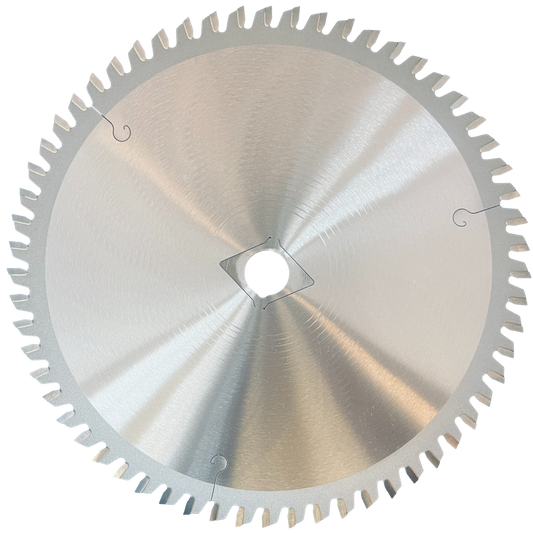 ITEM # NFM714060058087
7-1/4" D x 60T TCG x 5/8" Bore Aluminum Saw Blade
SaleITEM # NFM7140600580877-1/4" D x 60T TCG x 5/8" Bore Aluminum Saw Blade
⌀ 7-1/4 inch60 TeethAluminum / Non-FerrousRegular price $82.00Regular price$105.00Sale price $82.00Sale -
LORNA Industrial
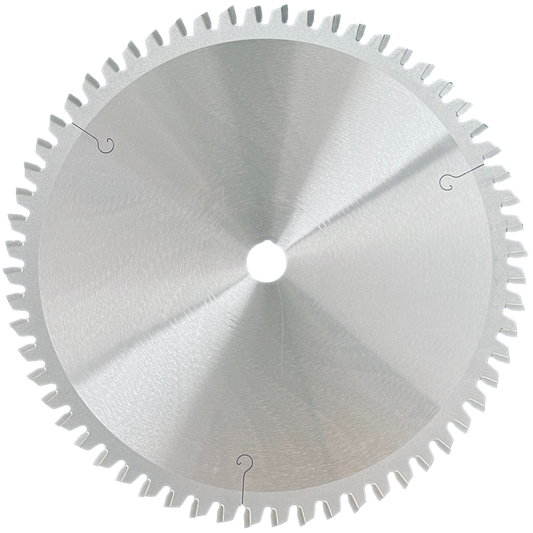 ITEM # NFM008060058110
8" D x 60T TCG x 5/8" Bore Aluminum Saw Blade
SaleITEM # NFM0080600581108" D x 60T TCG x 5/8" Bore Aluminum Saw Blade
⌀ 8 inch60 TeethAluminum / Non-FerrousRegular price $97.00Regular price$120.00Sale price $97.00Sale -
LORNA Industrial
 ITEM # NFM010060058126
10" D x 60T TCG x 5/8" Bore Aluminum Cutting Blade
SaleITEM # NFM01006005812610" D x 60T TCG x 5/8" Bore Aluminum Cutting Blade
⌀ 10 inch60 TeethAluminum / Non-FerrousRegular price $124.00Regular price$185.00Sale price $124.00Sale -
LORNA Industrial
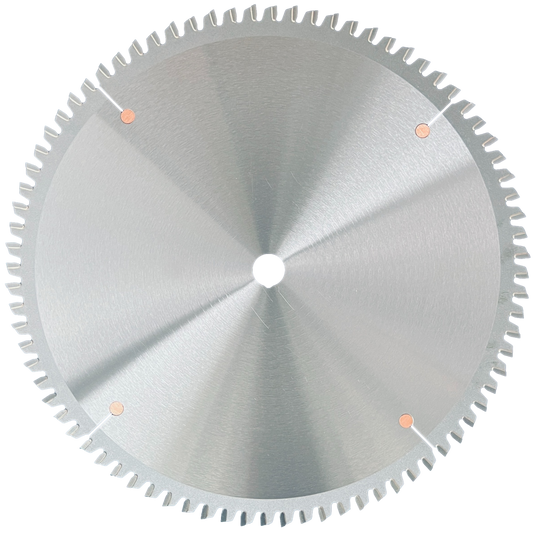 ITEM # NFM010080058126
10" D x 80T TCG x 5/8" Bore Aluminum Cutting Blade
SaleITEM # NFM01008005812610" D x 80T TCG x 5/8" Bore Aluminum Cutting Blade
⌀ 10 inch80 TeethAluminum / Non-FerrousRegular price $136.00Regular price$165.00Sale price $136.00Sale -
LORNA Industrial
 ITEM # NFM010100058126
10" D x 100T TCG x 5/8" Bore Aluminum Saw Blade
SaleITEM # NFM01010005812610" D x 100T TCG x 5/8" Bore Aluminum Saw Blade
⌀ 10 inch100 TeethAluminum / Non-FerrousRegular price $142.00Regular price$165.00Sale price $142.00Sale -
LORNA Industrial
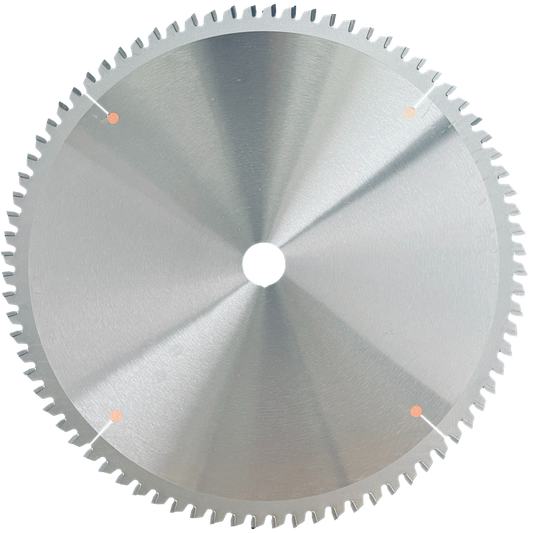 ITEM # NFM012080100128
12" D x 80T TCG x 1" Bore Aluminum Saw Blade
SaleITEM # NFM01208010012812" D x 80T TCG x 1" Bore Aluminum Saw Blade
⌀ 12 inch80 TeethAluminum / Non-FerrousRegular price $154.00Regular price$180.00Sale price $154.00Sale -
LORNA Industrial
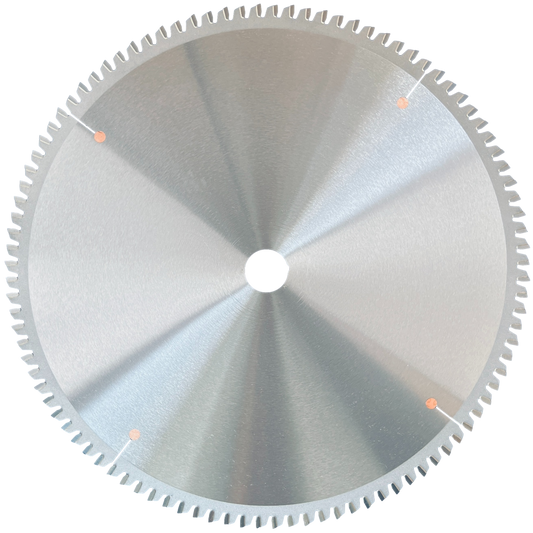 ITEM # NFM012100100128
12" D x 100T TCG x 1" Bore Aluminum Saw Blade
SaleITEM # NFM01210010012812" D x 100T TCG x 1" Bore Aluminum Saw Blade
⌀ 12 inch100 TeethAluminum / Non-FerrousRegular price $176.00Regular price$195.00Sale price $176.00Sale -
LORNA Industrial
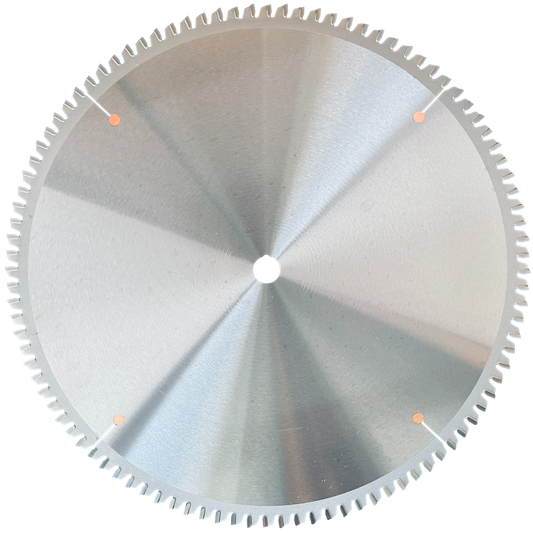 ITEM # NFM012100058128
12" D x 100T TCG x 5/8" Bore Aluminum Saw Blade
SaleITEM # NFM01210005812812" D x 100T TCG x 5/8" Bore Aluminum Saw Blade
⌀ 12 inch100 TeethAluminum / Non-FerrousRegular price $176.00Regular price$195.00Sale price $176.00Sale -
LORNA Industrial
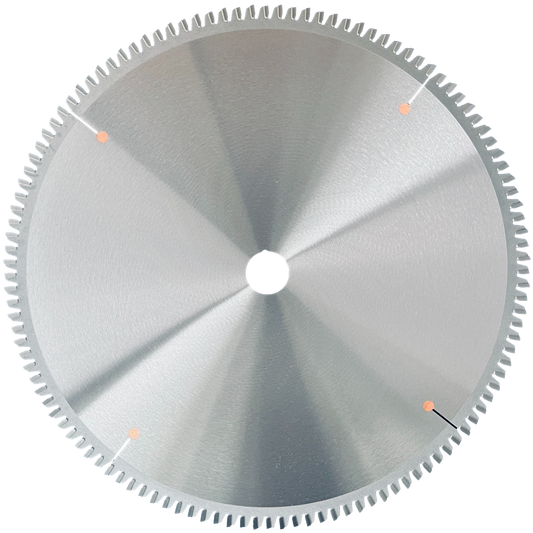 ITEM # NFM012120100128
12" D x 120T TCG x 1" Bore Aluminum Saw Blade
SaleITEM # NFM01212010012812" D x 120T TCG x 1" Bore Aluminum Saw Blade
⌀ 12 inch120 TeethAluminum / Non-FerrousRegular price $194.00Regular price$249.00Sale price $194.00Sale -
LORNA Industrial
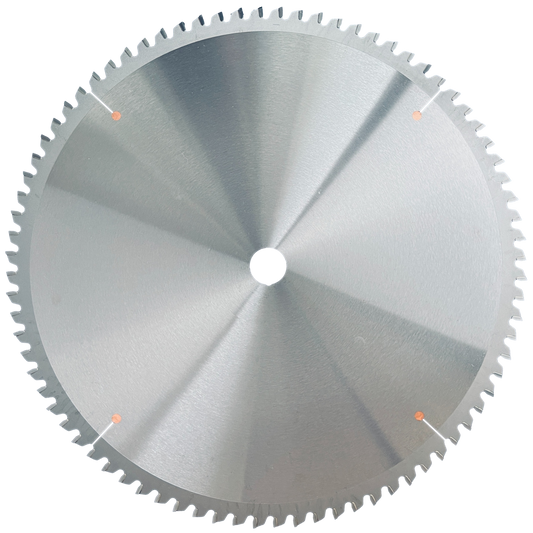 ITEM # NFM014080100150
14" D x 80T TCG x 1" TCG Bore Aluminum Saw Blade
SaleITEM # NFM01408010015014" D x 80T TCG x 1" TCG Bore Aluminum Saw Blade
⌀ 14 inch80 TeethAluminum / Non-FerrousRegular price $210.00Regular price$299.00Sale price $210.00Sale -
LORNA Industrial
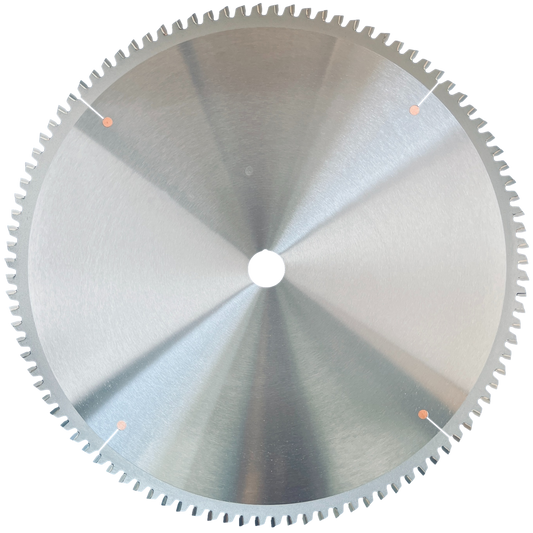 ITEM # NFM014100100150
14" D x 100T TCG x 1" Bore TCG Aluminum Saw Blade
SaleITEM # NFM01410010015014" D x 100T TCG x 1" Bore TCG Aluminum Saw Blade
⌀ 14 inch100 TeethAluminum / Non-FerrousRegular price $230.00Regular price$310.00Sale price $230.00Sale -
LORNA Industrial
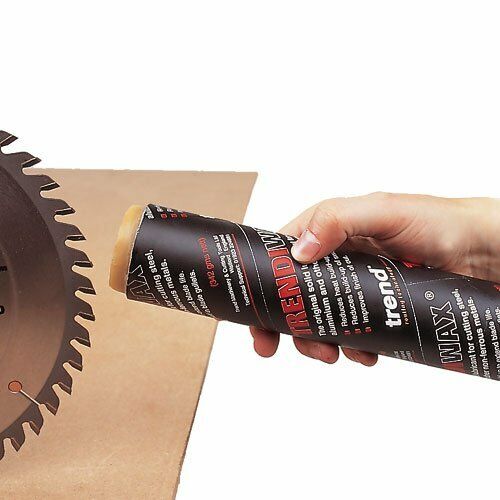 ITEM # WAX
Aluminum & Non-Ferrous Cutting Wax Stick
SaleITEM # WAXAluminum & Non-Ferrous Cutting Wax Stick
Regular price $15.00Regular price$20.00Sale price $15.00Sale -
Popular Tools
 ITEM # NF45020Q
4 inch D x 20 Teeth x TCG x 3/4 inch Bore Aluminum / Non-Ferrous Saw Blade (NF45020Q)
⌀ 4 inch20 TeethAluminum / Non-FerrousRegular price $71.10Regular price -
Popular ToolsITEM # NF420Q
4 inch D x 20 Teeth x TCG x 3/4 inch Bore Aluminum / Non-Ferrous Saw Blade (NF420Q)
⌀ 4 inch20 TeethAluminum / Non-FerrousRegular price $71.10Regular price -
Popular Tools
ITEM # NF3782038
3-7/8 inch D x 20 Teeth x TCG x 3/8 inch Bore Aluminum / Non-Ferrous Saw Blade (NF3782038)
⌀ 3-7/8 inch20 TeethAluminum / Non-FerrousRegular price $74.50Regular price -
Popular ToolsITEM # NF420Q
4 inch D x 20 Teeth x TCG x 3/4 inch Bore Aluminum / Non-Ferrous Saw Blade (NF420Q)
⌀ 4 inch20 TeethAluminum / Non-FerrousRegular price $74.50Regular price -
Popular Tools
ITEM # NF45020Q
4 inch D x 20 Teeth x TCG x 3/4 inch Bore Aluminum / Non-Ferrous Saw Blade (NF45020Q)
⌀ 4 inch20 TeethAluminum / Non-FerrousRegular price $74.50Regular price -
Popular ToolsITEM # NF72540
7 inch D x 40 Teeth x TCG x 5/8 inch Bore Aluminum / Non-Ferrous Saw Blade (NF72540)
⌀ 7 inch40 TeethAluminum / Non-FerrousRegular price $92.25Regular price -
Popular ToolsITEM # NF760
7 inch D x 60 Teeth x TCG x 5/8 inch Bore Aluminum / Non-Ferrous Saw Blade (NF760)
⌀ 7 inch60 TeethAluminum / Non-FerrousRegular price $92.25Regular price -
Popular Tools
ITEM # NFEL1802036
180mm D x 36 Teeth x TCG x 20mm Bore Aluminum / Non-Ferrous Saw Blade (NFEL1802036)
⌀ 180mm36 TeethAluminum / Non-FerrousRegular price $114.50Regular price -
Popular ToolsITEM # NF848
8 inch D x 48 Teeth x TCG x 5/8 inch Bore Aluminum / Non-Ferrous Saw Blade (NF848)
⌀ 8 inch48 TeethAluminum / Non-FerrousRegular price $120.25Regular price -
Popular ToolsITEM # NF860
8 inch D x 60 Teeth x TCG x 5/8 inch Bore Aluminum / Non-Ferrous Saw Blade (NF860)
⌀ 8 inch60 TeethAluminum / Non-FerrousRegular price $137.75Regular price -
Popular ToolsITEM # NF85060
8 inch D x 60 Teeth x TCG x 5/8 inch Bore Aluminum / Non-Ferrous Saw Blade (NF85060)
⌀ 8 inch60 TeethAluminum / Non-FerrousRegular price $143.25Regular price -
Popular ToolsITEM # NF880
8 inch D x 80 Teeth x TCG x 5/8 inch Bore Aluminum / Non-Ferrous Saw Blade (NF880)
⌀ 8 inch80 TeethAluminum / Non-FerrousRegular price $158.50Regular price -
Popular ToolsITEM # NF960
9 inch D x 60 Teeth x TCG x 5/8 inch Bore Aluminum / Non-Ferrous Saw Blade (NF960)
⌀ 9 inch60 TeethAluminum / Non-FerrousRegular price $162.00Regular price -
Popular Tools
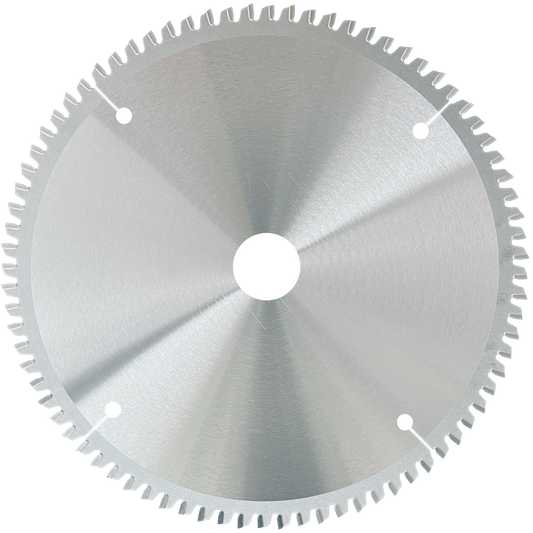 ITEM # NF2753280-PT
275mm D x 80 Teeth x TCG x 32mm Bore Aluminum / Non-Ferrous Saw Blade – Fits Brevetti Prisma Maxi (NF2753280-PT)
80 TeethAluminum / Non-FerrousRegular price $175.00Regular price$210.00Sale price $175.00Sale -
Popular ToolsITEM # NF2503080
250mm D x 80 Teeth x TCG x 30mm Bore Aluminum / Non-Ferrous Saw Blade (NF2503080)
⌀ 250mm80 TeethAluminum / Non-FerrousRegular price $189.00Regular price -
LORNA Industrial
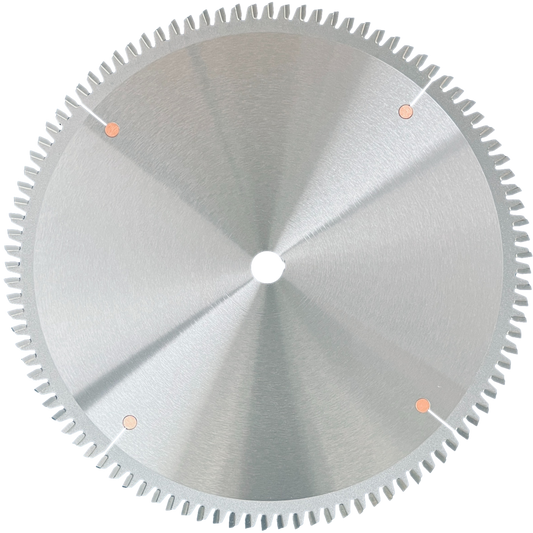 ITEM # MOA10120P
10" D x 120T TCG x 5/8" Bore Aluminum Saw Blade
SaleITEM # MOA10120P10" D x 120T TCG x 5/8" Bore Aluminum Saw Blade
⌀ 10 inch120 TeethRegular price $195.00Regular price$220.00Sale price $195.00Sale -
Popular ToolsITEM # NF2753280
275mm D x 80 Teeth x TCG x 32mm Bore Aluminum / Non-Ferrous Saw Blade (NF2753280)
⌀ 275mm80 TeethAluminum / Non-FerrousRegular price $202.50Regular price -
Popular ToolsITEM # NF30090
300mm D x 90 Teeth x TCG x 32mm Bore Aluminum / Non-Ferrous Saw Blade (NF30090)
⌀ 300mm90 TeethAluminum / Non-FerrousRegular price $215.25Regular price -
LORNA Industrial
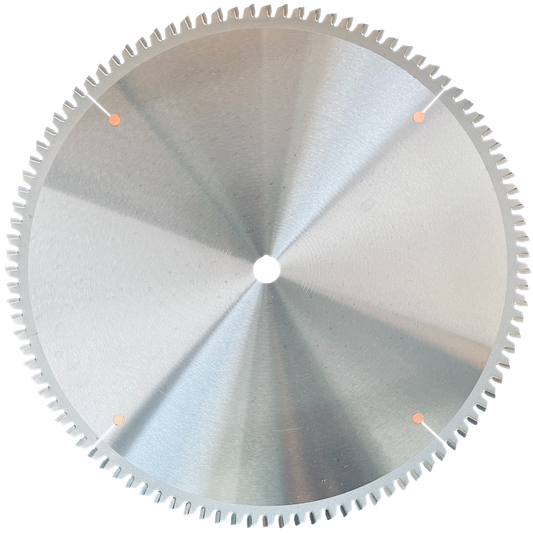 ITEM # NFM012120058128
12" D x 120T TCG x 5/8" Bore Aluminum Saw Blade
SaleITEM # NFM01212005812812" D x 120T TCG x 5/8" Bore Aluminum Saw Blade
⌀ 12 inch120 TeethAluminum / Non-FerrousRegular price $224.00Regular price$249.00Sale price $224.00Sale -
Popular ToolsITEM # NF3003010
300mm D x 100 Teeth x TCG x 30mm Bore Aluminum / Non-Ferrous Saw Blade (NF3003010)
⌀ 300mm100 TeethAluminum / Non-FerrousRegular price $224.50Regular price -
Popular ToolsITEM # NF3503060
350mm D x 60 Teeth x TCG x 30mm Bore Aluminum / Non-Ferrous Saw Blade (NF3503060)
⌀ 350mm60 TeethAluminum / Non-FerrousRegular price $237.15Regular price -
Popular ToolsITEM # NF3503072
350mm D x 72 Teeth x TCG x 30mm Bore Aluminum / Non-Ferrous Saw Blade (NF3503072)
⌀ 350mm72 TeethAluminum / Non-FerrousRegular price $239.40Regular price


