
A rip cut runs with the grain, and a true rip blade is built for exactly that job — fewer teeth, deep gullets, and an aggressive hook that clears chips fast and keeps the cut cool. This collection brings together every carbide-tipped rip blade we stock, from low-tooth flat-top blades that power through thick hardwood to 48-tooth blades that leave a cleaner edge, across both our LORNA Industrial and Popular Tools lines.
How to choose a rip blade by tooth count
Ripping rewards fewer teeth and bigger gullets. The gullet is the open space ahead of each tooth that carries the chip out of the cut, and in a long rip through solid stock there is a lot of material to clear. Too many teeth and the gullets pack, the blade heats up, and the feed slows to a crawl.
As a rough guide, 10 to 24 teeth is the range for fast, deep ripping in thick hardwood and rough lumber, where speed and chip clearance matter more than surface finish. From 30 to 40 teeth you get a balance of feed rate and a tidier edge, which suits most general ripping in standard-thickness stock. At 40 to 48 teeth the cut is smoother and better suited to thinner material or rips that will be seen rather than re-cut. Above 48 teeth a blade is no longer really ripping — it crosses into combination and crosscut territory, where the priority shifts to finish over feed.
Tooth grinds for ripping
Three grinds show up across this collection, and each one rips a little differently.
Flat top grind (FTG) is the classic rip geometry. Each tooth is ground flat across the top so it acts like a tiny chisel, shearing straight down the grain. FTG is the most efficient way to remove material in a rip and stands up well to hard, abrasive stock, at the cost of a slightly rougher edge. The flat-topped teeth also cut a clean, flat-bottomed groove, which makes FTG a favorite for grooving and dado work as well as straight ripping.
Alternate top bevel (ATB) teeth are beveled in alternating directions, which slices wood fibers rather than chiseling them. In a rip blade, ATB gives a noticeably cleaner edge than FTG, which is why you will see it on higher-tooth rip and rip-capable combination blades.
Triple chip grind (TCG) alternates a flat raker tooth with a chamfered tooth, spreading the load and running cool and quiet. TCG is the workhorse grind on production rip blades, glue-line rip blades, and anything that runs long shifts in tough material.
Hook angle and feed
Rip blades run a positive hook, usually in the +15° to +20° range. A positive hook pulls the blade into the work, which lowers feed pressure and speeds the cut — ideal when you are pushing stock with the grain. The same aggressive hook is why a dedicated rip blade is the wrong choice for delicate crosscutting, where a lower or negative hook keeps the cut controlled.
Materials
The blades here are made for solid wood: hardwood, softwood, and rough or surfaced lumber. Many also rip glued panels and engineered stock cleanly. If you are ripping aluminum or other non-ferrous metal, you want a metal-specific blade rather than a wood rip blade — the geometry and tip grade are different.
LORNA Industrial and Popular Tools
Our LORNA Industrial line is the recommendation when you want the most from a rip blade. Made in Germany to a premium standard, LORNA blades hold an edge longer and run truer through demanding production work, which keeps your cost-per-cut low over the life of the blade. Popular Tools is our value line and a strong choice when you need a dependable rip blade at a lower entry price, or when you need a size or specification LORNA does not list. Where an exact LORNA match exists for a Popular Tools blade, it is called out on the product page so you can compare the two directly.
Looking for something more specific?
Running a gang ripsaw or straight-line ripsaw that takes a large bore? See our Gang Rip Saw Blades.
Edge-gluing panels and need a square, ready-to-bond edge straight off the saw? See our Glue Line Rip Saw Blades.
Crosscutting, or doing a bit of everything on one blade? See our Crosscut and Combination blades.
Made to fit your saw
Most rip blades in this collection run a standard bore, but a great deal of production ripping happens on machines with a non-standard arbor, drive pins, or keyways. Almost any blade can be bored out, pinned, or keyed to match your saw — tell us the machine and we will confirm the fit. Carbide teeth also resharpen many times: sent to a circular-saw sharpening specialist, a well-cared-for blade can come back sharp 15 to 20 times over its life, which keeps your cost-per-cut low long after the purchase.
Replacement and aftermarket blades are made to fit the machines named; any manufacturer names are used only to indicate compatibility, and we are not affiliated with or endorsed by those manufacturers.
-
Popular Tools
 ITEM # GJM1436T
14 inch D x 36 Teeth x TCG x 3-1/8 inch Bore Glue Line Rip Saw Blade – Fits Mereen-Johnson (GJM1436T)
⌀ 14 inch36 TeethHardwoodRegular price $207.68Regular price -
Popular ToolsITEM # CR3503060
350mm D x 60 Teeth x ATB+R x 30mm Bore Combination Saw Blade (CR3503060)
⌀ 350mm60 TeethHardwoodRegular price $207.90Regular price -
Popular ToolsITEM # GJL1250
12 inch D x 50 Teeth x LRLRS x 1 inch Bore Glue Line Rip Saw Blade (GJL1250)
⌀ 12 inch50 TeethHardwoodRegular price $211.95Regular price -
Popular ToolsITEM # RF1430
14 inch D x 30 Teeth x FTG x 1 inch Bore Rip Saw Blade (RF1430)
⌀ 14 inch30 TeethHardwoodRegular price $211.95Regular price -
Popular ToolsITEM # GJ1248ATB
12 inch D x 48 Teeth x ATB x 1 inch Bore Glue Line Rip Saw Blade (GJ1248ATB)
⌀ 12 inch48 TeethHardwoodRegular price $214.20Regular price -
Popular ToolsITEM # RF1624
16 inch D x 24 Teeth x FTG x 1 inch Bore Rip Saw Blade (RF1624)
⌀ 16 inch24 TeethHardwoodRegular price $214.20Regular price -
Popular Tools
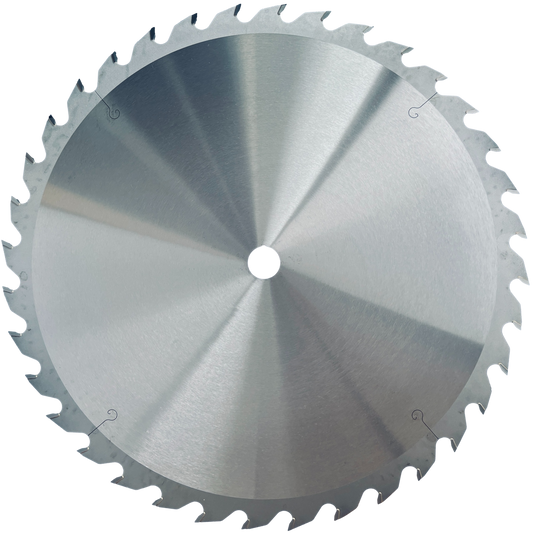 ITEM # RF1636-PT
16 inch D x 36 Teeth x FTG x 1 inch Bore Rip Saw Blade (RF1636-PT)
SaleITEM # RF1636-PT16 inch D x 36 Teeth x FTG x 1 inch Bore Rip Saw Blade (RF1636-PT)
⌀ 16 inch36 TeethHardwoodRegular price $220.00Regular price$230.00Sale price $220.00Sale -
Popular ToolsITEM # RF1436K
14 inch D x 36 Teeth x FTG x 70mm Bore Rip Saw Blade (RF1436K)
⌀ 14 inch36 TeethHardwoodRegular price $222.98Regular price -
Popular ToolsITEM # RF1436
14 inch D x 36 Teeth x FTG x 1 inch Bore Rip Saw Blade (RF1436)
⌀ 14 inch36 TeethHardwoodRegular price $222.98Regular price -
Popular Tools
ITEM # GJ1636
16 inch D x 36 Teeth x TCG x 2 inch Bore Glue Line Rip Saw Blade – Fits Diehl (GJ1636)
⌀ 16 inch36 TeethHardwoodRegular price $228.60Regular price -
Popular ToolsITEM # RF1636
16 inch D x 36 Teeth x FTG x 1 inch Bore Rip Saw Blade (RF1636)
⌀ 16 inch36 TeethHardwoodRegular price $237.15Regular price -
Popular ToolsITEM # RF1440
14 inch D x 40 Teeth x FTG x 1 inch Bore Rip Saw Blade (RF1440)
⌀ 14 inch40 TeethHardwoodRegular price $239.40Regular price -
Popular Tools
ITEM # RSMS1480A
14 inch D x 80 Teeth x ATB x 4-5/16 inch Bore Multi-Score Rip Saw Blade (RSMS1480A)
⌀ 14 inch80 TeethHardwoodRegular price $247.50Regular price -
Popular Tools
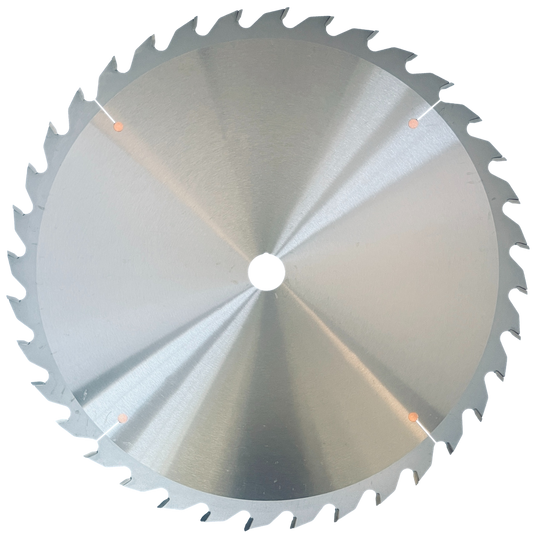 ITEM # RF1840-PT
18 inch D x 40 Teeth x FTG x 1 inch Bore Rip Saw Blade (RF1840-PT)
SaleITEM # RF1840-PT18 inch D x 40 Teeth x FTG x 1 inch Bore Rip Saw Blade (RF1840-PT)
⌀ 18 inch40 TeethHardwoodRegular price $250.00Regular price$270.00Sale price $250.00Sale -
Popular ToolsITEM # LUCAS424
424mm D x 5 Teeth x FTG x 20mm Bore Saw Blade – Fits Lucas Mill (LUCAS424)
⌀ 424mm5 TeethRegular price $269.55Regular price -
Popular ToolsITEM # RF1840
18 inch D x 40 Teeth x FTG x 1 inch Bore Rip Saw Blade (RF1840)
⌀ 18 inch40 TeethHardwoodRegular price $273.15Regular price -
Popular ToolsITEM # LUCAS546
546mm D x 5 Teeth x FTG x 30mm Bore Saw Blade – Fits Lucas Mill (LUCAS546)
⌀ 546mm5 TeethRegular price $275.40Regular price -
Popular Tools
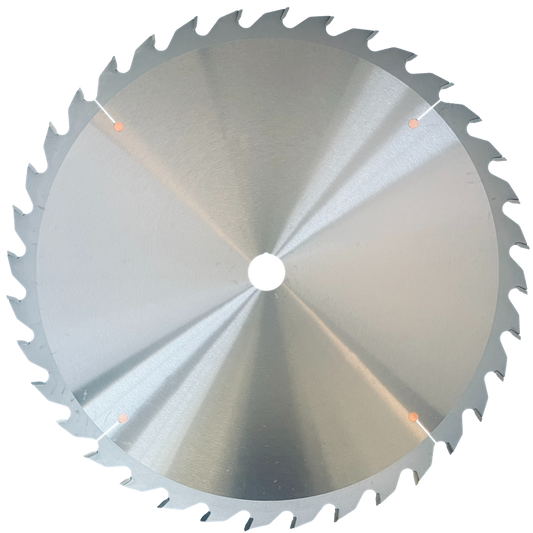 ITEM # RF2040-PT
20 inch D x 40 Teeth x FTG x 1 inch Bore Rip Saw Blade (RF2040-PT)
SaleITEM # RF2040-PT20 inch D x 40 Teeth x FTG x 1 inch Bore Rip Saw Blade (RF2040-PT)
⌀ 20 inch40 TeethHardwoodRegular price $280.00Regular price$300.00Sale price $280.00Sale -
Popular Tools
ITEM # GJ1848
18 inch D x 48 Teeth x TCG x 2 inch Bore Glue Line Rip Saw Blade – Fits Diehl (GJ1848)
⌀ 18 inch48 TeethHardwoodRegular price $296.33Regular price -
Popular ToolsITEM # RF2040
20 inch D x 40 Teeth x FTG x 1 inch Bore Rip Saw Blade (RF2040)
⌀ 20 inch40 TeethHardwoodRegular price $297.90Regular price -
Popular ToolsITEM # GJ1650
16 inch D x 50 Teeth x TCG x 1 inch Bore Glue Line Rip Saw Blade (GJ1650)
⌀ 16 inch50 TeethHardwoodRegular price $300.15Regular price -
Popular ToolsITEM # LUCAS634
634mm D x 5 Teeth x FTG x 30mm Bore Saw Blade – Fits Lucas Mill (LUCAS634)
⌀ 634mm5 TeethRegular price $346.50Regular price

